


Managing Dry Eye in Pets: Relief for a Common Condition
A dog that constantly rubs their eyes or a cat with thick discharge may be suffering from dry eye syndrome. If left untreated, it can cause chronic irritation, corneal damage, and even vision loss. Fortunately, with the right treatment plan, pets can stay comfortable long term.
At Envision More Veterinary Ophthalmology in Cypress, TX, we provide expert diagnostics and customized care to protect your pet’s sight.
What is Dry Eye Syndrome in Pets?
Dry eye syndrome, medically known as Keratoconjunctivitis Sicca, occurs when your pet’s eyes don’t produce enough tears or when the quality of tears is poor. Without adequate tear production, the surface of the eye becomes dry, irritated, and vulnerable to damage.
Dogs and cats rely on tears to wash away debris, provide nutrients to the cornea, and create a protective barrier against bacteria. When this system fails, pets experience significant discomfort and face serious complications if left untreated.
What are Pet Dry Eye Risk Factors?
Certain breeds face higher risks due to their facial structure. Brachycephalic dogs like bulldogs, pugs, and Boston terriers often develop dry eye because their prominent eyes and shallow sockets make tear distribution difficult. Similarly, flat-faced cats such as Persians and Himalayans may struggle with adequate tear production due to compressed facial anatomy.
Additional risk factors include autoimmune diseases, certain medications, previous eye injuries, and age-related changes in tear gland function. Some pets develop dry eye as a side effect of chronic conjunctivitis or after surgical removal of the third eyelid gland.
How Can Pet Owners Recognize Symptoms of Dry Eye Syndrome in Pets?
Early recognition of dry eye symptoms can prevent complications and preserve vision. Common signs include:
- Persistent eye redness
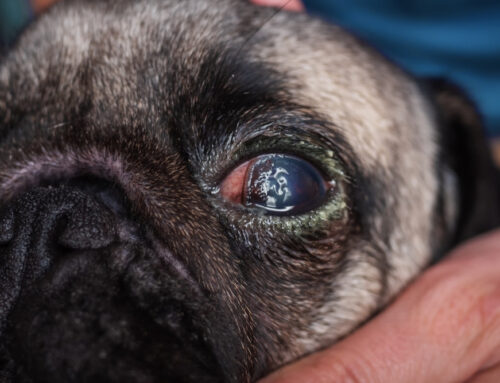
- Thick, sticky, yellowish or greenish discharge (unlike normal clear tears) that crusts around the eyes overnight, and may have an odor
- Frequent squinting or blinking
- Pets may paw at their eyes or rub their faces against furniture, carpeting, or clothing
Dogs often show more obvious discomfort, including head shaking and reluctance to be touched around the face. Their eyes may look dull instead of bright and moist. Symptoms in cats can be subtle, but affected pets may hide more, reduce activity, or change grooming habits around the face.
Without treatment, dry eye can lead to corneal ulcers, painful erosions that can deepen quickly and risk vision loss or even eye rupture in severe cases.
How do Vets Diagnose Dry Eye Syndrome in Pets?
Accurate diagnosis requires more than a visual exam. At Envision More Veterinary Ophthalmology, we use the Schirmer tear test to measure tear production by placing small filter paper strips in the lower eyelids for a set time.
Our comprehensive ocular examinations assess the corneal surface, eyelid structure and function, and tear film quality. We also check for underlying contributors like eyelid abnormalities, blocked tear ducts, or signs of autoimmune disease.
Advanced diagnostics may include fluorescein staining to detect corneal damage, tear film break-up time to assess tear quality, and bacterial cultures if secondary infections are present. Each diagnostic plan is tailored to your pet’s breed, age, clinical signs, and medical history.
Treatment Options and Long-Term Management for Pets with Dry Eye
Most pets respond well to medical management when started early and used consistently. Artificial tear solutions supplement natural tears and offer immediate relief. Frequency varies with severity, but most pets should have artificial tears provided 4-5 times a day.
Prescription medications often form the cornerstone of treatment. Cyclosporine and tacrolimus are immunosuppressive drops that stimulate natural tear production and reduce inflammation. They usually require several weeks to reach full effect, so consistency and patience are key.
Treatment plans are tailored to your pet’s needs, accounting for underlying causes, symptom severity, and response to therapies. Some pets need multiple medications; others do well with one. Regular monitoring allows adjustments to maintain comfort and eye health.
Managing ocular conditions like dry eye typically requires lifelong care, but with proper treatment, pets can remain comfortable and avoid serious complications.
Surgical Interventions
When medical therapy isn’t enough, surgery can provide relief for severe dry eye in pets.
- Parotid duct transposition redirects saliva from the parotid gland to the eye, providing an alternative moisture source.
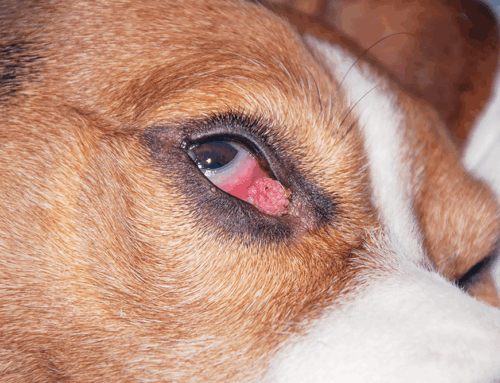
- Our surgery services also address contributing factors such as eyelid abnormalities or third eyelid problems. For example, pets with cherry eye may benefit from third eyelid gland repositioning to preserve tear-producing tissue.
- Blepharoplasty (eyelid reconstruction) can help when eyelid malformations interfere with tear distribution.
These procedures require precise technique and diligent post-operative care.
Home Care and Preventive Measures for Pets with Dry Eye
Essential Daily Care Tips for Pet Owners
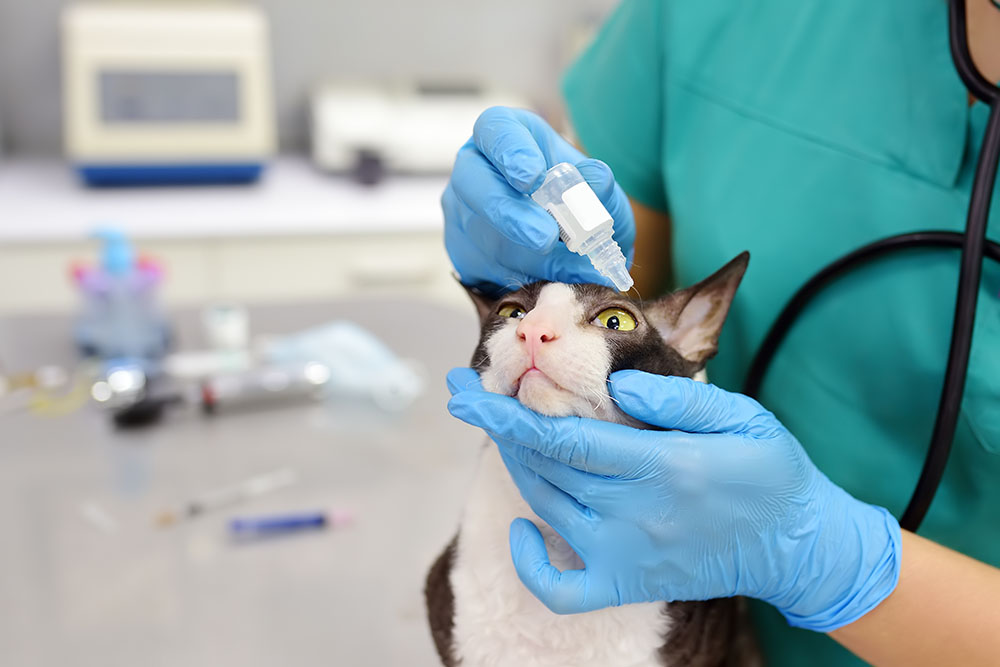
Successful home management depends on a consistent routine for medications and eye care. Proper techniques for administering eye medications ensure your pet receives the full benefit while minimizing stress:
- Keep hands clean
- Prepare supplies in advance
- Use calm handling
- Positive reinforcement with treats after dosing helps many pets
- Keeping medications at room temperature can increase comfort during application
Environmental protection also helps. Doggles and other eyewear can shield sensitive eyes from wind and debris during outdoor activities. Gradual, reward-based introductions increase acceptance.
Building a Relationship with Your Veterinary Ophthalmologist
Long-term success relies on regular monitoring and treatment adjustments as your pet’s condition evolves. A strong relationship with your veterinary ophthalmologist ensures consistent care and early intervention.
Regular check-ups allow us to track effectiveness, watch for side effects, and address changes before they become serious. We can help fine-tune medication schedules, introduce new treatments, and troubleshoot home care challenges.
At Envision More Veterinary Ophthalmology, we partner with pet owners to create individualized plans that fit your lifestyle while prioritizing your pet’s comfort and vision. Our team is available to answer questions, provide support, and adjust treatment as needed.
FAQs and Pet Owner Insights About Dry Eye
Common FAQs About Dry Eye Syndrome
- Is dry eye just a minor cosmetic issue? Absolutely not. Imagine what it feels like to blink your eye with no moist tears present. It’s like dragging a dry piece of paper across your eye! That Dry eye is a medical condition that can lead to permanent vision loss if untreated. Redness and discharge signal discomfort and potential corneal damage.
- Will my pet’s dry eye go away on its own? Dry eye is usually chronic and requires lifelong management. Some cases tied to temporary factors (like certain medications) may resolve, but most pets need ongoing treatment.
- Are expensive prescription medications really necessary? Over-the-counter artificial tears offer temporary relief, but prescription medications like cyclosporine address the underlying issue by stimulating tear production and controlling inflammation.
- How quickly should I expect to see improvement? Some treatments soothe immediately, while medications like cyclosporine may take 4–6 weeks for full effect. Consistency during this period is crucial.
Protecting Your Pet’s Eyes Starts at Envision More Veterinary Ophthalmology
Dry eye syndrome requires prompt attention to prevent irreversible damage and preserve your pet’s quality of life. If you notice persistent redness, thick discharge, frequent eye rubbing, or squinting lasting more than a day or two, let our team know.
You can request an appointment or contact Envision More Veterinary Ophthalmology at (281) 385-8159 to schedule a consultation. Our team is ready to help your pet see clearly and comfortably for years to come.


Leave A Comment