

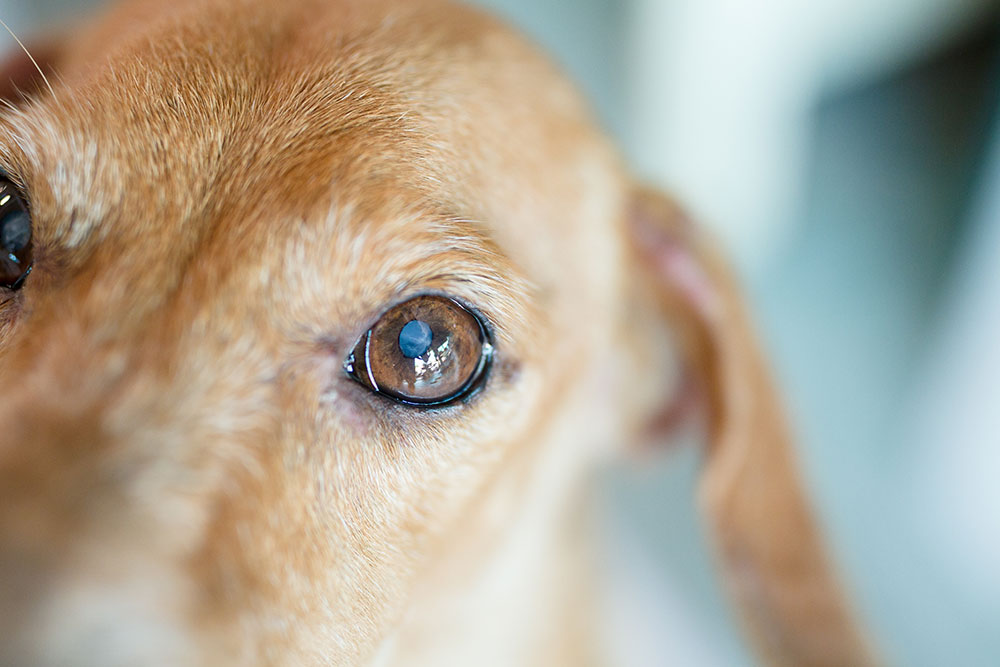
Surgical Solutions for Eyelid Disorders: Entropion and Ectropion Repair
Eyelids that roll inward or outward cause chronic irritation that damages corneas and creates persistent discomfort. Entropion forces lashes and hair against the eye surface with every blink, creating ulceration and scarring. Ectropion exposes delicate conjunctival tissue to air and debris, leading to inflammation and infection. Both conditions worsen over time without surgical correction, and both require precision techniques that reposition eyelid margins to protect rather than harm the eye.
Envision More Veterinary Ophthalmology specializes in the surgical correction of eyelid abnormalities that threaten vision and comfort. Our ophthalmology-focused practice performs eyelid surgery using techniques refined for these conditions, restoring normal eyelid position and function. Through comprehensive ocular examinations, we determine the best long-term plan and manage related ocular conditions like corneal ulcers. Request an appointment to discuss options and protect your pet’s vision.
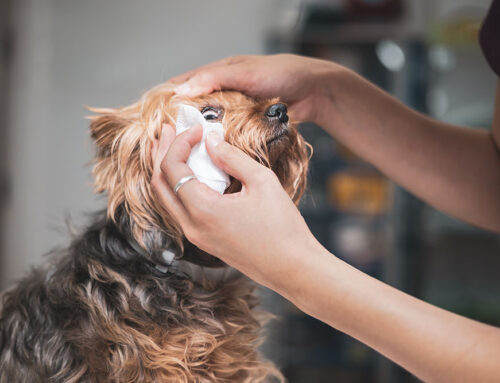
Why Is My Dog’s Eye Watering and Red?
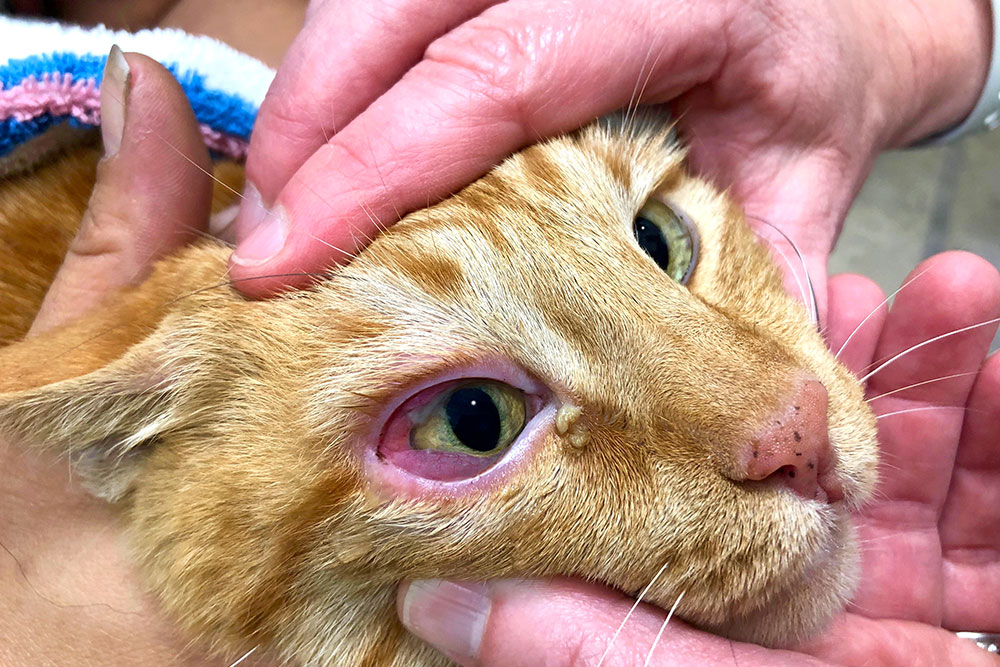
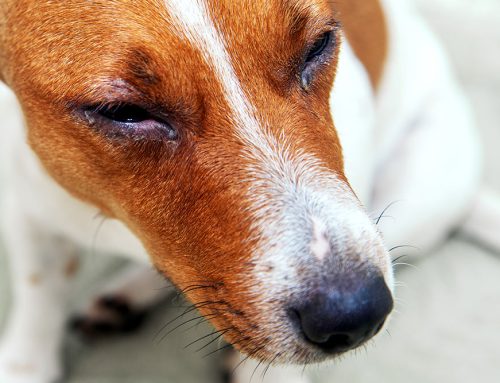
When lids do not rest properly against the eye, they stop protecting and start irritating. You may notice the eyelids rolling in or out inappropriately, but some pet’s conditions start by showing the irritation to the eye from the eyelid position before you actually realize the true cause. You might notice squinting, pawing at the face, redness, or thick discharge. Some pets show the inner pink tissue more than usual or avoid bright light. These are common signs of eyelids rolling in or drooping out, which either rub the cornea or leave the eye exposed.
Our team examines eyelid shape and fit to decide whether surgery can prevent corneal damage and give lasting relief.
What Causes Eyelids to Roll Inward or Outward?
How Entropion Damages the Eye
Entropion happens when the eyelid turns inward so hair and lashes scrape the cornea. This ongoing friction can cause painful ulcers, scarring, and sometimes vision loss if ignored. Puppies with certain facial shapes may be born with it, and some pets develop entropion from eye pain that triggers muscle spasm. We use exam findings and common condition clues to tell true structural entropion from temporary problems.
What Happens When Eyelids Droop Outward
With ectropion, the lid sags away from the eye and exposes the pink inner lining. That tissue dries out and traps dust and bacteria, leading to irritation, tearing, and infections. It may not be as painful as entropion, but the ongoing exposure harms eye health over time. Exams help decide when surgical tightening will prevent repeat problems.
Which Breeds Face Higher Risk?
Facial structure drives risk for eyelid disorders. Entropion is common in Shar-Peis, Chow Chows, English Bulldogs, Mastiffs, Rottweilers, and Spaniels, often starting in puppyhood. Ectropion occurs more in Saint Bernards, Bloodhounds, Basset Hounds, and Cocker Spaniels.
Other contributors include:
- Age-related skin looseness
- Prior eye trauma or scarring
- Chronic irritation from allergies or infections
- Pain-related “spastic” entropion
- Effects from previous surgeries
Cats are less commonly affected, but Persian, Himalayan, and other flat-faced breeds can develop issues, often later in life and sometimes tied to chronic eye disease or age changes. Knowing the risks helps us monitor and intervene early.
What Symptoms Should Prompt a Veterinary Visit?
Eye problems can progress quickly and may be painful, so recognizing early warning signs is key to protecting your pet’s comfort and vision.
Watch for:
- Excessive tearing or rust-colored stains on fur
- Squinting, partial eyelid closure, or light sensitivity
- Thick yellow or green discharge
- Redness, swelling, or visible lid rolling/drooping
- Pawing or rubbing the face
- Cloudy or pigmented cornea
- Subtle behavior changes from discomfort
Cats often hide pain, so even small changes matter. Early care prevents ulcers, scarring, and vision loss. If you see these signs, schedule an exam promptly.
How Do We Diagnose Eyelid Positioning Problems?
Diagnosis is more than a quick look. We assess eyelid position, sometimes before and after numbing drops, to see whether a muscle spasm is pulling the lid or if the lid itself is shaped wrong. Tear testing and corneal stain help check for dry eye and ulcers.
We examine both eyes, look for extra or misplaced lashes, and consider facial shape to plan treatment. These steps help us decide between medical care, temporary tacking, or surgery, and the best timing for each.
When Is Temporary Correction the Right Choice?
Some pets benefit from short-term solutions before permanent surgery. Surgical alternatives like “tacking” sutures can hold a lid in better position while a puppy grows or while an ulcer heals. This can also serve as a trial to guide the amount of permanent correction needed. We recommend permanent surgery once facial growth is complete or when the problem is clearly structural.
What Permanent Surgical Options Restore Normal Eyelid Position?
Correcting Inward-Rolling Eyelids
For entropion, the modified Hotz-Celsus technique removes a small crescent of skin near the lid margin to gently roll the lid outward again. Adjustments are based on your pet’s facial shape and severity, and we often correct conservatively first to avoid over-tightening. Some flat-faced breeds may also benefit from reducing heavy facial folds. We tailor eyelid surgery techniques to each pet.
Correcting Outward-Drooping Eyelids
For ectropion, lid tightening may include wedge resections or similar methods to shorten stretched tissue and restore good contact with the eye. Moderate to severe cases may need added support techniques. Staged procedures are sometimes used to fine-tune results while minimizing risk.
Special Considerations for Cats
Adult and senior cats may develop entropion linked to chronic eye disease or age changes. In many cases, the modified Hotz-Celsus technique plus lateral canthal closure provides the best stability. Cats with long-standing irritation can form corneal sequestrum, a dark plaque that may require removal along with lid correction.
What Should You Expect on Surgery Day?
Before surgery, we review your pet’s health and discuss anesthesia and pain control. During the procedure, our team works under magnification for precise tissue handling and careful suturing. Most pets go home the same day. For complex cases or pets with other health concerns, we may recommend an overnight stay. Our goal is a safe, smooth experience from admit to discharge.
How Do You Support Healing After Surgery?
The First Few Days
Mild swelling and bruising are normal for 24 to 48 hours. Sutures can look prominent at first and settle as swelling fades. Use the Elizabethan collar at all times to protect the surgical site. Give pain medications exactly as prescribed, and use any eye drops as directed.
Call us if you notice:
- Swelling that worsens after 48 hours
- Thick, colored, or foul-smelling discharge
- Gapping or broken sutures
- Increasing redness or heat
- Significant pain despite medication
If you are worried, contact us. We are here to help.
Timeline for Healing
Most pets have sutures removed in 10 to 14 days. Eyelid position continues to improve as swelling resolves over the next few weeks. Some growing pets may need monitoring or later touch-ups as their faces mature. Most return to normal activity in two to three weeks, with final appearance in four to eight weeks.
What Results Can You Expect?
Most pets feel better quickly and enjoy lasting comfort after surgery. Final outcomes depend on how severe and long-standing the problem was, breed anatomy, age, and home care. Some pets with deep pre-surgery corneal scarring may not regain perfect clarity, but vision is usually preserved and pain is relieved.
Complications are uncommon but can include infection, suture irritation, overcorrection or undercorrection, or recurrence. If needed, we adjust the plan to reach the best result. For show or breeding animals, rules and genetic counseling may be considerations.
How Can You Protect Your Pet’s Eye Health Long-Term?
- Schedule regular checkups that include eye exams, especially for at-risk breeds.
- Avoid dusty or chemical-heavy environments and situations that risk eye injury.
- Manage allergies, dry eye, and other conditions that can irritate eyelids.
- Keep a healthy weight, which supports normal eye position in seniors.
- Watch for early signs like squinting, tearing, or redness and seek care quickly.
Responsible breeding that avoids extreme facial traits helps reduce future eyelid issues and supports overall breed health.
FAQs
What is entropion?
Entropion is when the eyelid rolls inward, causing hair and lashes to rub the eye. It can lead to ulcers, scarring, and pain if not treated.
What is ectropion?
Ectropion is when the eyelid droops outward, exposing inner tissue. This leads to irritation, tearing, and repeat infections over time.
Can puppies outgrow entropion?
Sometimes. Temporary tacking can help while they grow. Once mature, we reassess whether permanent surgery is needed.
How do I know if my pet needs surgery?
If the eyelid position is truly structural, surgery offers the best long-term fix. Exams, staining, and response to numbing drops help us decide.
How long is recovery?
Most pets recover well in two to three weeks, with sutures out around two weeks. Full settling can take several more weeks.
Will my pet’s vision improve?
Removing the source of irritation helps the cornea heal. Some scarring may remain, but most pets have good comfort and functional vision after surgery.
Your Partner in Protecting Pet Vision and Comfort
Entropion and ectropion respond very well to timely, expert care. With the right plan, you can prevent pain, protect vision, and give your pet lasting relief. Our team provides precise diagnosis, tailored surgery, and supportive follow-up so you feel confident every step of the way. If you are noticing eye redness, squinting, discharge, or lid changes, we are here to help. Request an appointment or contact us to schedule an eye exam, ask questions about your pet’s symptoms, or discuss next steps for surgery. We are your partners in your pet’s eye health and comfort.

Leave A Comment