

Eyelid Tumors in Pets: Knowing When Surgery Is the Right Choice
That small bump near your pet’s eye might seem harmless, but eyelid tumors can grow quickly and interfere with blinking or irritate the cornea. Early veterinary evaluation is key- some growths are benign, while others require surgical removal to preserve vision and comfort. Quick action keeps minor problems from becoming serious.
At Envision More Veterinary Ophthalmology in Cypress, Texas, our specialized team provides advanced diagnostic imaging and testing to identify eyelid tumors early and determine the best treatment approach. With expertise in veterinary ophthalmology, we help pet owners make informed decisions about their companion’s eye health.
What Are Eyelid Tumors and Why Do They Develop?
Eyelid tumors are abnormal growths that develop on or around the eyelid margins in dogs and cats. While many are benign, some can be malignant and require immediate attention. Understanding the types and causes helps pet owners recognize when veterinary intervention becomes necessary.
Common Types of Eyelid Tumors in Dogs and Cats
Benign growths make up the majority of eyelid tumors in dogs. Meibomian gland adenomas are the most common, appearing as small, raised masses along the eyelid edge. These slow-growing tumors rarely spread but can cause irritation as they enlarge and rub against the cornea with each blink.
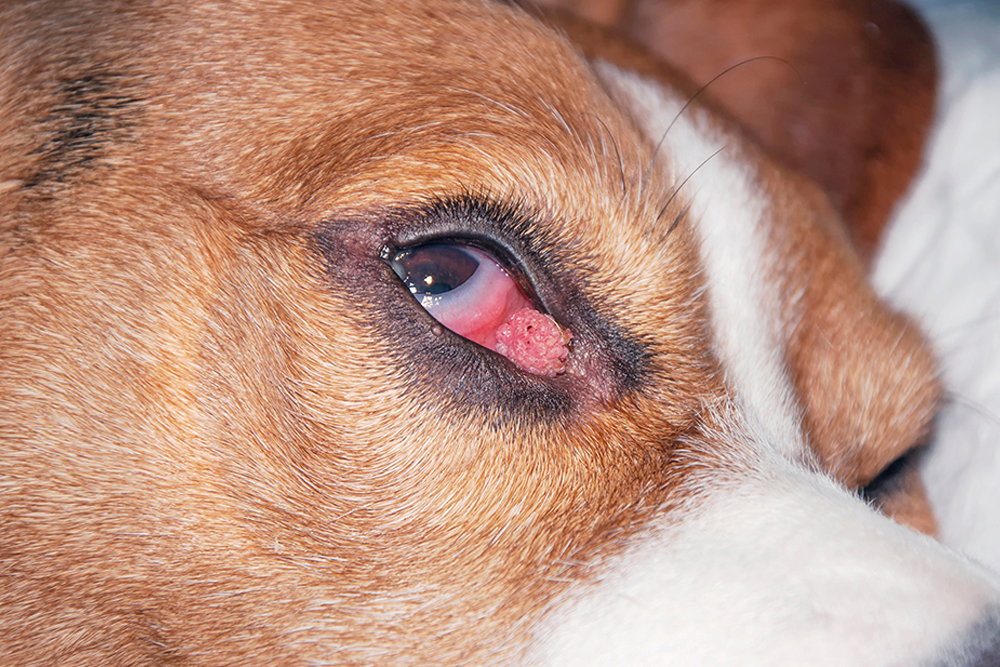
Papillomas, or warts, develop from viral infections and typically affect younger dogs. They often appear as rough, cauliflower-like growths that may resolve on their own but sometimes require removal if they obstruct vision or cause discomfort.
Malignant tumors are less common but more concerning. Melanomas, squamous cell carcinomas, and mast cell tumors can invade surrounding tissues and spread to other areas of the body. The sooner, the better when it comes to addressing these aggressive growths, as early intervention significantly improves outcomes.
Cats develop fewer eyelid tumors overall, but when they do occur, they’re more likely to be malignant. Squamous cell carcinomas appear more frequently in white cats or those with light-colored eyelids, as chronic sun exposure increases cancer risk.
Risk factors include:
- Age- most eyelid tumors develop in middle-aged to senior pets
- Breed predisposition- Labrador Retrievers, Golden Retrievers, Beagles, and Cocker Spaniels show higher incidence rates
- Sun exposure- particularly in cats with unpigmented eyelid skin
- Chronic inflammation or previous eyelid trauma
Recognizing these factors helps owners stay vigilant about changes in their pet’s eye area. Regular monitoring becomes especially important for high-risk breeds and older animals.
Recognizing the Warning Signs of Eyelid Tumors
Early detection makes treatment simpler and more successful. Knowing what to look for helps you catch problems before they progress.
Symptoms That Require Veterinary Attention
The first sign many owners notice is a visible mass or swelling on the eyelid. These growths may start small but gradually increase in size, changing shape or color over time. Some appear smooth and dome-shaped, while others develop irregular surfaces.
Watch for these additional symptoms:
- Excessive tearing or discharge from the affected eye
- Squinting or keeping the eye partially closed
- Redness or inflammation around the eyelid margin
- Pawing at the face or rubbing the eye against furniture
- Changes in the appearance of the eye itself, such as cloudiness or visible irritation
Pets experiencing eye pain may become less active or show behavioral changes like hiding or avoiding bright light. Some develop secondary infections as bacteria colonize the tumor surface or accumulate in discharge around the eye.
Bleeding from the tumor site, rapid growth, or ulceration of the growth surface all indicate aggressive behavior requiring immediate evaluation. These signs suggest the tumor may be malignant or causing significant tissue damage.
At Envision More Veterinary Ophthalmology, we specialize in identifying and treating ocular conditions that affect your pet’s vision and comfort. Our comprehensive eye examinations and specialized tools detect subtle changes that general practice veterinarians might not be able to assess.
How Veterinary Ophthalmologists Diagnose Eyelid Tumors
Accurate diagnosis determines whether a growth is benign or malignant and guides treatment decisions. Veterinary ophthalmologists use specialized equipment and techniques to evaluate eyelid masses thoroughly.
Diagnostic Procedures for Complete Evaluation
The examination begins with a detailed visual assessment using magnification and specialized lighting. Your veterinarian evaluates the tumor’s size, location, appearance, and relationship to surrounding structures. They check for signs of corneal damage, inflammation, or secondary complications.
Advanced diagnostic testing includes:
- Cytology- fine needle aspiration collects cells from the mass for microscopic examination, providing preliminary information about tumor type
- Biopsy and histopathology- surgical removal of a tissue sample allows pathologists to examine cellular architecture and determine whether the growth is benign or malignant
- Imaging studies- ultrasound or CT scans evaluate tumor depth and check for invasion into surrounding tissues or spread to lymph nodes
Understanding eyelid tumors in dogs and cats requires specialized knowledge of ocular anatomy and tumor behavior. Our team at Envision More provides comprehensive diagnostic services to identify the exact nature of your pet’s eyelid growth. This information determines whether surgical removal is necessary and helps predict long-term outcomes.
When Does Surgical Removal Become Necessary?
Not every eyelid tumor requires surgery, but many do. Understanding the criteria helps owners make informed decisions about their pet’s treatment.
Indications for Surgical Intervention
Size and location play critical roles in treatment decisions. Small tumors that don’t interfere with blinking or contact the cornea may be monitored initially. However, growths larger than a few millimeters typically require removal to prevent complications.
Tumors positioned at the eyelid margin pose particular concern because they rub against the corneal surface with every blink, causing chronic irritation, ulceration, and potential vision loss. Even benign masses in this location warrant surgical excision.
Malignancy status determines urgency. Suspected or confirmed malignant tumors require prompt surgical removal with adequate margins to prevent local recurrence and metastasis. Canine eyelid masses showing rapid growth, irregular borders, or ulceration should be removed and biopsied immediately.
Surgical techniques vary based on tumor size and location. Small growths may be excised with simple wedge resection, while larger masses require reconstructive procedures to maintain eyelid function and appearance. Veterinary ophthalmologists possess specialized training in these delicate procedures.
At Envision More Veterinary Ophthalmology, our surgical services include advanced eyelid tumor removal and reconstruction. We use precise techniques that preserve normal eyelid function while ensuring complete tumor excision.
Supporting Your Pet Through Recovery
Successful surgery is only the beginning. Proper post-operative care ensures optimal healing and prevents complications.
Post-Surgical Care Guidelines
The recovery period typically lasts two to three weeks. During this time, your pet needs protection from self-trauma and consistent medication administration.
Essential post-operative care includes:
- Preventing scratching or rubbing with an Elizabethan collar or protective cone
- Keeping the surgical site clean and dry
- Monitoring for signs of infection such as increased swelling, discharge, or odor
- Restricting activity to prevent strain on healing tissues
Administering eye medications to pets requires patience and proper technique. Topical antibiotics prevent infection, while anti-inflammatory medications reduce swelling and discomfort. Your veterinary team will demonstrate correct application methods and answer questions about medication schedules.
Most pets tolerate eyelid surgery well and return to normal activity within a few weeks. Follow-up examinations ensure proper healing and allow your veterinarian to monitor for tumor recurrence.
Other Eye Conditions Requiring Specialized Care
Eyelid tumors represent just one category of ocular disease. Understanding related conditions helps owners recognize when their pet needs ophthalmology expertise.
Common Related Eye Problems in Dogs and Cats
Cherry Eye in Dogs occurs when the gland of the third eyelid prolapses, creating a red, fleshy mass in the corner of the eye. It can look like an eyelid mass, but it’s entirely different. This condition requires surgical repositioning rather than removal to preserve tear production.
Corneal ulcers in pets develop from trauma, infection, or chronic irritation. Eyelid masses can cause ulcerations. These painful erosions of the corneal surface can progress to vision-threatening complications without prompt treatment.
Other conditions requiring specialized attention include glaucoma, cataracts, retinal disease, and chronic dry eye. Each demands specific diagnostic approaches and treatment protocols that general practitioners may not routinely perform.
Our team at Envision More Veterinary Ophthalmology provides comprehensive care for the full spectrum of eye diseases. We offer personalized treatment plans tailored to each pet’s unique needs and circumstances.
Protecting Your Pet’s Vision Through Proactive Care
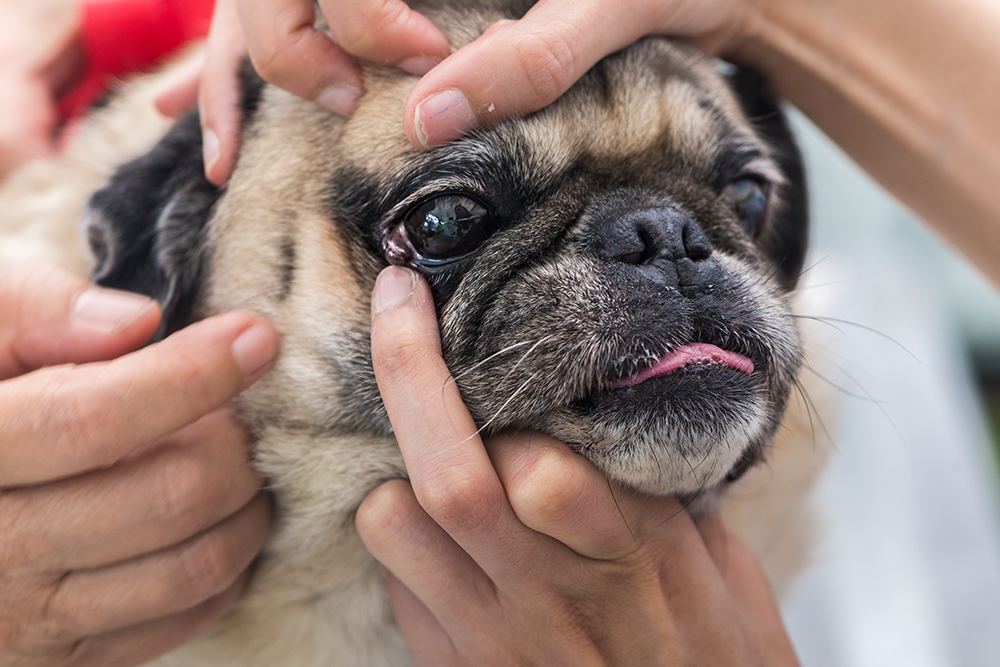
Regular eye examinations catch problems before they become emergencies. Early detection of eyelid tumors and other ocular conditions preserves vision and prevents unnecessary discomfort. Schedule routine screenings for senior pets and breeds predisposed to eye disease. Watch for changes in your pet’s eye appearance or behavior, and seek evaluation promptly when concerns arise.
At Envision More Veterinary Ophthalmology, we combine advanced diagnostics with specialized surgical expertise to provide the highest standard of ophthalmic care. Our streamlined digital communication keeps you informed throughout your pet’s treatment journey.
Call us today or request an appointment online to discuss your pet’s eye health. New clients receive a $50 credit toward their first online exam. Don’t wait for small problems to become serious- contact our team and let us help protect your pet’s precious gift of sight.


Leave A Comment